




Blog / Jim Keras Chevrolet Service

Essential Steps for Spring Vehicle Maintenance to Ensure Reliability

As the seasons shift from winter to spring, your vehicle faces a new set of challenges that require attention to maintain reliability and performance. Spring maintenance is a critical process that helps address the wear and tear caused by colder months, preparing your car for warmer weather conditions and longer drives typical in Memphis and nearby areas like Oakland and Lakeland. Neglecting this seasonal upkeep can lead to unexpected breakdowns, reduced fuel efficiency, and accelerated component wear, all of which can increase maintenance costs over time.

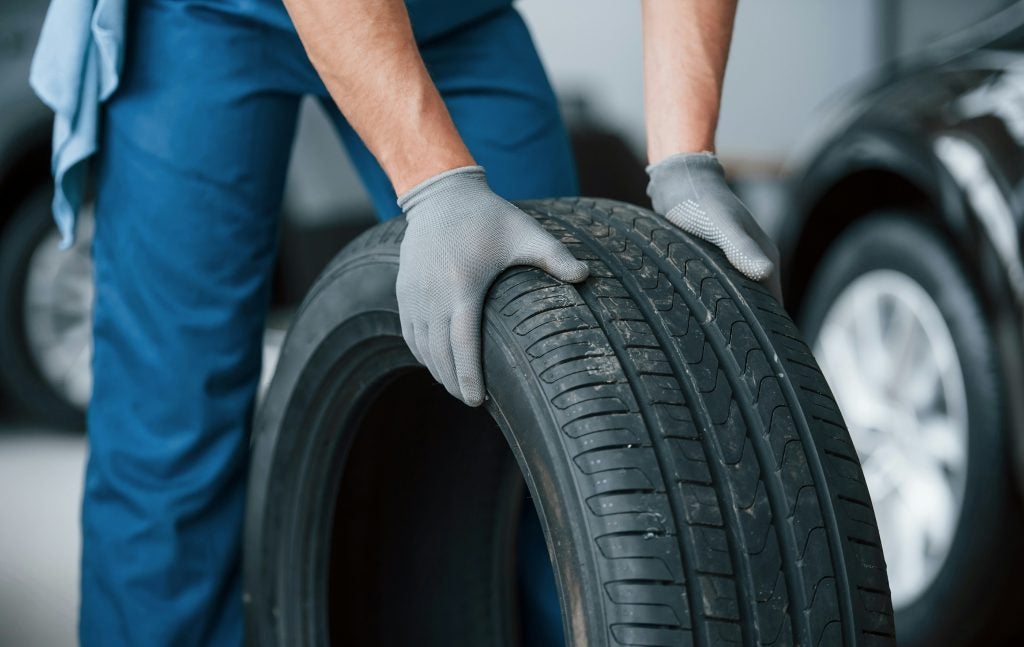
One of the first essential steps in spring vehicle maintenance is a thorough inspection of the tires. Winter driving often subjects tires to cold temperatures, road salt, and uneven wear patterns. Checking tire tread depth, pressure, and alignment ensures safe handling and optimal fuel economy as you navigate the roads of Germantown or Collierville. Proper tire maintenance also improves braking performance, reducing the risk of accidents on wet or slippery surfaces common in spring.

Equally important is the evaluation of all fluid levels and conditions. Engine oil, coolant, brake fluid, transmission fluid, and windshield washer fluid all play vital roles in your vehicle’s operation and longevity. For example, engine oil viscosity can thicken in colder weather, but spring signals the need for fresh oil suited for warmer temperatures to maintain proper lubrication and engine efficiency. Flushing and refilling coolant prevents overheating during Memphis’s humid summers, while fresh windshield washer fluid improves visibility during spring rains.

Spring maintenance also includes a detailed brake system check. After months of exposure to moisture and road debris, brake pads, rotors, and calipers may suffer from corrosion or wear. Certified technicians recommend inspecting brake components to ensure they meet manufacturer safety standards, which is especially crucial for drivers in Bartlett or Millington who rely on dependable stopping power in daily commutes.

Battery health is another key focus during spring vehicle care. Cold weather can tax a battery’s charge, and spring is an ideal time to test its capacity and replace it if necessary. A reliable battery ensures smooth starts and prevents roadside emergencies, which are avoidable with timely service. It is also wise to check belts and hoses for cracks or brittleness caused by freezing temperatures, as these components are essential for engine operation and vehicle safety.

Finally, attention to the vehicle’s air conditioning and heating systems guarantees comfort and functionality as temperatures fluctuate. Testing these systems early in the season allows for prompt repairs before the peak summer heat in West Memphis or Olive Branch sets in.

Following these essential spring maintenance steps not only safeguards your vehicle’s reliability but also extends its lifespan and enhances your driving experience in Memphis and surrounding communities. For precise inspections and professional care, consider scheduling your service visit with Jim Keras Chevrolet’s expert technicians, who utilize genuine Chevrolet parts to maintain your vehicle’s integrity. You can easily schedule your service visit to ensure your car is ready for the months ahead.

Table of Contents

Comprehensive 2026 Spring Car Maintenance Checklist for Optimal Performance

Spring brings a unique set of challenges for vehicles in Memphis and nearby areas like Germantown and Collierville. After enduring the cold temperatures and road salt of winter, your car requires thorough attention to maintain reliability and safety. A detailed spring maintenance checklist addresses these seasonal impacts and prepares your vehicle for warmer weather and increased driving demands.

First, inspecting and replacing fluids is critical. Engine oil should be changed if it has not been done recently, ensuring proper lubrication as temperatures rise. Additionally, the coolant system needs evaluation to prevent overheating during warmer months; checking antifreeze levels and flushing the radiator when necessary is part of this process. Transmission fluid and brake fluid should also be examined for clarity and appropriate levels, as deteriorated fluids can lead to costly mechanical failures.

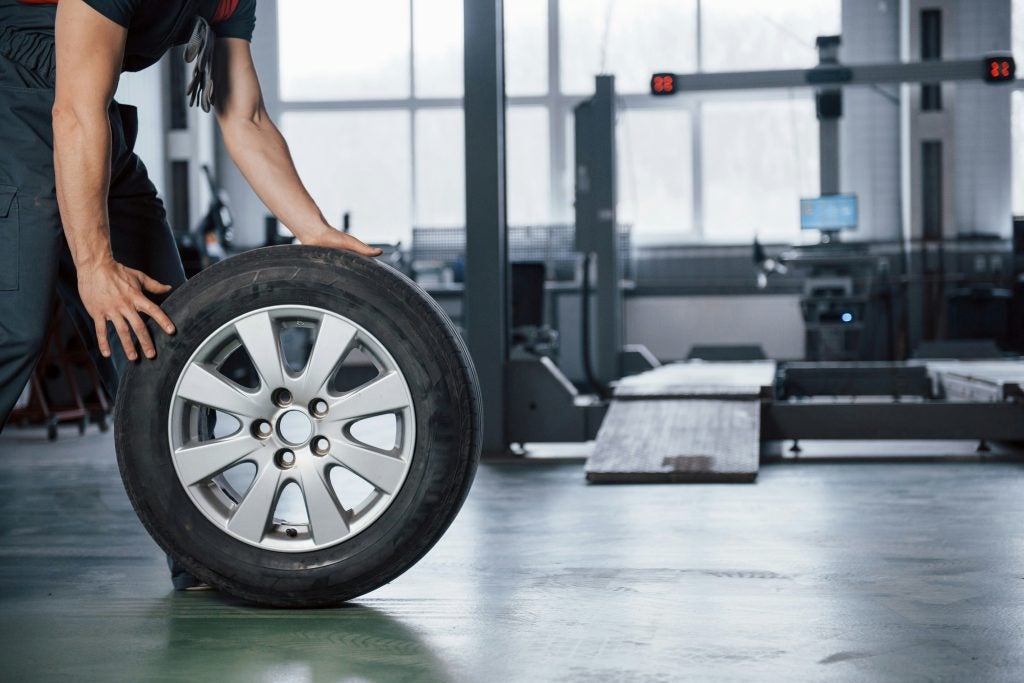
Tire care is another pillar of spring maintenance. Inspecting tread depth and overall tire condition helps maintain traction on wet or uneven roads common during spring rains in areas like Bartlett and Millington. Rotating tires evenly distributes wear and extends their lifespan. Proper tire inflation, often overlooked, improves fuel efficiency and driving stability, which is especially important during longer spring road trips.

Brake system assessment ranks high on the checklist. Brake pads, rotors, and calipers should be inspected for wear and damage. Warmer weather often leads to increased driving, making brake responsiveness vital for safety. Any indication of squealing, grinding, or reduced stopping power warrants immediate professional attention.

Battery health is crucial as well. Cold weather can strain batteries, and spring offers an opportunity to test battery charge and clean terminals to avoid unexpected breakdowns in Lakeland or Southaven. Electrical connections should be secure and corrosion-free to maintain reliable starting and accessory performance.

Air conditioning system checks are essential as temperatures climb. Verifying refrigerant levels, inspecting belts, and testing compressor function ensure comfort and prevent mid-season failures.

Lastly, a thorough inspection of wiper blades and windshield washers guarantees clear visibility during spring showers. Replacing worn blades and replenishing washer fluid help maintain safe driving conditions.

Following this comprehensive checklist supports consistent vehicle performance and longevity, reducing unexpected repairs and enhancing driving safety throughout the spring season.

The Role of Certified Technicians and Genuine Chevrolet Parts in Spring Maintenance

Spring maintenance is a critical opportunity to ensure your vehicle performs reliably and safely throughout the warmer months. Entrusting this work to certified technicians at Jim Keras Chevrolet provides numerous advantages. These professionals are extensively trained in Chevrolet-specific systems and follow manufacturer-recommended procedures, giving you confidence that your vehicle receives precise diagnostics and repairs tailored to its design. Their expertise helps identify subtle issues before they escalate into costly repairs, which is especially important in Memphis and surrounding areas like Germantown and Collierville where seasonal weather can impact vehicle performance.

Using genuine Chevrolet parts is equally vital in maintaining your vehicle’s functionality and longevity. These components are engineered to meet exact specifications, ensuring optimal fit, durability, and performance compatibility with your Chevrolet model. For instance, when replacing brake pads, air filters, or belts during spring service, genuine parts preserve factory standards and help avoid premature wear. This is particularly relevant for owners in nearby Horn Lake and Bartlett, where varying road conditions demand reliable vehicle components.

In addition to quality and compatibility, genuine parts contribute to maintaining your vehicle’s warranty coverage, a crucial consideration for long-term ownership care. Certified technicians at Jim Keras Chevrolet use these authentic parts exclusively, safeguarding your investment and supporting the vehicle’s resale value.

For Chevrolet drivers in areas like Memphis and Olive Branch, opting for certified service and original parts means access to advanced diagnostic tools and service technology designed specifically for Chevrolet models. This precision enhances repair accuracy and reduces the likelihood of repeat visits.

To ensure your Chevrolet maintains peak condition throughout spring and beyond, consider the professional expertise of our certified technicians and the assurance of genuine Chevrolet parts. For Chevrolet owners looking to replace worn components, you can conveniently order Chevrolet parts online for trusted, OEM-quality replacements tailored to your vehicle’s needs. Additionally, explore our inventory to find the perfect vehicle for your spring adventures, including new Chevrolet Trax, Traverse, Tahoe, Trailblazer, Suburban, Silverado 1500, Equ

​​

Common Spring Repairs and How Regular Service Prevents Costly Issues

Spring often reveals hidden wear and tear from harsh winter conditions, making certain repairs more common for vehicles across Memphis, Germantown, and Collierville. Typical issues include degraded brake components due to moisture accumulation, worn-out windshield wipers, and fluids that have broken down over colder months. Suspension parts, such as shocks and struts, may also show signs of deterioration after navigating potholes and rough roads common in the region.

Routine spring maintenance at Jim Keras Chevrolet addresses these problems early, preventing them from escalating into expensive repairs. For example, timely brake inspections and fluid flushes restore system efficiency and safety, while replacing wiper blades ensures clear visibility during spring rains. Checking and servicing suspension components helps maintain ride comfort and vehicle stability, crucial for safe driving in areas like Millington or Olive Branch where road conditions can vary.

By partnering with certified technicians and using genuine Chevrolet parts, regular service extends your vehicle’s lifespan and reduces unexpected breakdowns. This proactive approach safeguards your investment and supports reliable performance throughout Memphis’s spring driving season.

Scheduling Your Spring Maintenance Service at Jim Keras Chevrolet for Memphis Drivers

For drivers in Memphis and nearby areas such as Bartlett and Collierville, scheduling your spring maintenance at Jim Keras Chevrolet ensures your vehicle receives expert care from certified technicians familiar with Chevrolet models. Our service team follows manufacturer-recommended procedures to provide thorough inspections, fluid changes, brake checks, and tire care tailored to seasonal needs.

Booking an appointment is straightforward—simply schedule your service visit online to secure a convenient time. You can also call us at (901) 589-1730 to speak directly with our service team. Regular maintenance here helps prevent costly repairs and keeps your Chevrolet running smoothly through Memphis’s changing weather conditions. For directions, use Get Directions to Jim Keras Chevrolet.


© 2026 Jim Keras Chevrolet. All rights reserved.
Posted in:

Related Posts

Comprehensive Tire Maintenance Tips for Optimal Vehicle Performance

Proper tire care plays a crucial role in maintaining your vehicle's safety, fuel efficiency, and overall performance. Drivers in Memphis, Lakeland, and Oakland understand that neglecting tire maintenance can lead to uneven wear, reduced traction, and potential safety hazards on the road. Regular upkeep of your tires ensures longer tread life, better handling, and a smoother driving experience, especially when navigating the diverse terrains and weather conditions common in these areas. One of the foundational aspects of tire maintenance is consistent tire pressure monitoring. Tires that are underinflated or overinflated can wear unevenly and reduce fuel economy. For example, residents in Memphis, where summer temperatures can soar, should be particularly vigilant, as heat can cause air to expand and increase tire pressure beyond recommended levels. Using a reliable pressure gauge monthly and before long trips helps maintain the manufacturer’s recommended PSI, which is usually found in your vehicle’s owner manual or on a sticker inside the driver’s door jamb. more Tire alignment and balancing are equally important for optimal tire function. Misaligned wheels cause tires to drag rather than roll smoothly, accelerating tread wear and negatively impacting vehicle handling. In suburban areas like Lakeland and Oakland, where road conditions might vary from smooth pavement to rougher surfaces, maintaining correct alignment protects your tires and suspension system from unnecessary strain. Balancing tire weight distribution reduces vibrations, enhancing comfort and preventing premature wear on suspension components. Regular tire cleaning and inspection also contribute to durability. Removing embedded debris such as small stones or glass shards prevents slow leaks and potential blowouts. Checking tires for visible signs of damage, including cracks, bulges, or uneven tread wear, is essential for early detection of issues. For drivers in Memphis and nearby cities, routine inspections before and after seasonal changes are advisable, since temperature fluctuations and road salt can impact tire integrity. Maintaining proper tread depth is a critical safety factor. Tread not only provides traction but also channels water away from the tire’s contact patch to prevent hydroplaning. While the minimum legal tread depth in most U.S. states is 2/32 of an inch, experts recommend replacing tires when tread depth reaches 4/32 of an inch for enhanced safety, especially in wet or slippery conditions common in West Memphis and Bartlett. Using a tread depth gauge or the simple penny test can help you monitor tread wear effectively. Lastly, consistent tire rotation according to your vehicle manufacturer’s schedule promotes even tread wear across all tires. This is particularly important for vehicles in Germantown and Collierville, where frequent city driving combined with occasional highway travel can cause uneven wear patterns. Rotating tires every 5,000 to 7,500 miles helps extend tire life and improves vehicle stability. For residents in Memphis and surrounding areas seeking expert tire maintenance, Jim Keras Chevrolet offers certified technicians who specialize in OEM tire care and repairs. To keep your tires in peak condition, consider scheduling routine inspections and maintenance at our service center. You can schedule your service visit conveniently online or reach out by phone at (901) 589-1730. For directions, visit Get Directions to Jim Keras Chevrolet. By following these comprehensive maintenance steps, drivers across Memphisand nearby communities can ensure their tires provide reliable performance and safety throughout their lifespan. Table of Contents How to Determine When Your Tires Need Replacement Based on Tread Depth Best Practices for Rotating Directional Tires to Ensure Safety and Longevity The Importance of Certified Technicians and OEM Parts in Tire Service Scheduling Regular Tire Inspections and Maintenance at Jim Keras Chevrolet How to Determine When Your Tires Need Replacement Based on Tread Depth Properly assessing tire tread depth is crucial for vehicle safety and performance, especially for drivers in Memphis and nearby areas like Oakland and Lakeland where road conditions and weather can vary. Tread depth impacts traction, braking efficiency, and hydroplaning resistance, so knowing when to replace tires is essential for maintaining control and avoiding accidents. The industry standard for minimum tread depth is 2/32 of an inch. Once tread wears down below this point, tires lose their ability to grip the road effectively, particularly in wet or slippery conditions. To measure tread depth accurately, a tread depth gauge is recommended, providing precise readings that surpass simple visual inspections. For those without a gauge, the penny test offers a quick estimate: insert a penny into the tire groove with Lincoln’s head upside down; if you can see the top of Lincoln’s head, tread depth is below the safe threshold and replacement is necessary. It’s important to understand that uneven tread wear can occur due to misalignment, improper inflation, or suspension issues. Tires with uneven wear patterns might need earlier replacement than those with uniform wear, even if tread depth seems sufficient in some areas. Drivers in Lakeland and Oakland should routinely inspect all tires for signs of irregular wear, cuts, or embedded objects that might compromise safety. When replacing tires, opting for genuine OEM parts ensures compatibility and preserves vehicle handling characteristics. For Chevrolet owners, using authentic components available through trusted sources like Jim Keras Chevrolet’s parts department helps maintain warranty coverage and performance standards. You can conveniently order Chevrolet parts online for replacements or repairs. Regular tread depth checks combined with professional inspections at certified service centers can prevent unexpected tire failures and enhance overall driving safety in Memphis and neighboring cities. Proper maintenance here not only ensures compliance with safety standards but also contributes to longer tire life and a smoother driving experience. Best Practices for Rotating Directional Tires to Ensure Safety and Longevity Proper care of directional tires is essential to maintain vehicle stability, maximize tire life, and ensure safety on the road. Directional tires differ from standard tires primarily in their tread design, which is optimized to channel water away and provide superior traction. Because of their unique construction, routine tire rotation requires more attention and specific techniques to preserve their performance characteristics. Unlike non-directional tires, directional tires are designed to rotate in a specific direction indicated by arrows on the sidewall. This directional tread pattern means that the tires cannot be swapped from one side of the vehicle to the other without remounting them, which involves taking the tires off the rims—a process that is both labor-intensive and costly. Therefore, the best practice for rotating directional tires is to perform front-to-back rotations on the same side of the vehicle. This method helps evenly distribute wear while maintaining the tread’s intended orientation. For drivers in areas like Collierville and Germantown, where road conditions and weather can vary, maintaining proper tire rotation schedules is critical. Typically, rotating directional tires every 5,000 to 7,000 miles aligns with industry standards and helps prevent uneven wear patterns that could degrade handling and traction. Skipping this maintenance can lead to premature tire replacement and compromised vehicle control, especially in wet or slippery conditions. During rotation, technicians should also inspect tires for irregular wear, sidewall damage, or embedded debris. Retaining the correct tire pressure and alignment checks complements rotation efforts, ensuring optimal contact with the road surface. Properly rotated directional tires enhance fuel efficiency as well, as uneven tread wear increases rolling resistance and energy consumption. Adhering to these rotation practices safeguards drivers’ investments in high-performance tires, prolongs tire lifespan, and sustains safety on Memphis roadways and beyond. For expert maintenance and professional tire services, scheduling a visit with certified technicians ensures that directional tires receive the precise care they require without unnecessary costs or risks. The Importance of Certified Technicians and OEM Parts in Tire Service Maintaining your vehicle’s tires requires precision and expertise that only certified technicians can provide. These professionals undergo rigorous training to understand the nuances of tire care, including correct installation, balancing, and alignment. Their proficiency ensures that tire services are performed to exact standards, minimizing risks such as uneven wear, premature tire failure, or compromised vehicle handling. For drivers in Memphis, Oakland, and Lakeland, entrusting tire maintenance to certified experts guarantees that every procedure aligns with manufacturer specifications, preserving safety and performance. Using Original Equipment Manufacturer (OEM) parts is equally critical in tire service. OEM components, including tire valves, lug nuts, and sensor replacements, are designed specifically for Chevrolet vehicles, ensuring compatibility and durability. Unlike aftermarket parts, OEM products maintain the integrity of your vehicle’s systems, such as the Tire Pressure Monitoring System (TPMS), which plays a vital role in monitoring tire health and alerting drivers to potential issues. Substituting OEM parts with generic alternatives can lead to inaccurate readings or system malfunctions, putting drivers at risk. Certified technicians at service centers like Jim Keras Chevrolet also have access to specialized diagnostic tools and genuine Chevrolet parts, allowing them to perform effective tire repairs and maintenance. This combination of expertise and authentic parts supports optimal tire performance, extends tire lifespan, and upholds the vehicle’s warranty coverage. For owners in communities like Horn Lake and Collierville, relying on certified technicians and OEM parts is a proactive approach to maintaining tire safety and vehicle reliability. Scheduling Regular Tire Inspections and Maintenance at Jim Keras Chevrolet Routine tire inspections are crucial for vehicle safety and performance, especially for drivers in Memphis and nearby areas like Oakland. At Jim Keras Chevrolet, our certified technicians use advanced diagnostic tools to identify issues such as uneven wear, alignment problems, or tire pressure inconsistencies before they escalate. Regular maintenance visits help extend tire life and improve fuel efficiency, reducing overall ownership costs. Scheduling service is straightforward—simply schedule your service visit online or call us at (901) 589-1730 to speak with our team. Conveniently located at 2000 Covington Pike, Memphis, TN, we serve drivers from surrounding communities including Lakeland and Germantown. For directions, use this link: <a href=" https://www.google.com

Proper Tire Maintenance and Why Retorquing Matters: A Complete Guide for Chevrolet Drivers in Memphis, TN

Tires are one of the most critical components of your Chevrolet vehicle, directly affecting safety, performance, and fuel efficiency. Whether you are driving around Memphis, Bartlett, or Germantown, understanding how to properly maintain your tires can save you money, extend tire life, and ensure optimal driving conditions. One maintenance task often overlooked but essential is retorquing your tires after installation. This comprehensive guide from Jim Keras Chevrolet at 2000 Covington Pike, Memphis, TN 38128 will cover everything you need to know about maintaining your tires and why retorquing is crucial for your safety. Call us at (901) 589-1730 to schedule your tire maintenance or service. more Table of Contents Understanding Proper Tire Maintenance for Chevrolet Vehicles Learn the essential steps for maintaining tire health, including pressure, tread depth, balance, and alignment to ensure safety and performance around Memphis and neighboring areas. The Importance of Retorquing Tires: What Happens if You Don’t? Discover why retorquing your tires after installation is necessary, the risks of neglecting it, and how it prevents wheel detachment and other costly damages. Common Causes of Tire Damage and How to Prevent Them Explore the primary types of tire damage including punctures, cuts, and irregular wear, and practical tips to avoid these issues while driving around Bartlett and Southaven. The 7-7 Rule for Seasonal Tire Changes Understand the recommended timing to switch between winter and summer tires based on consistent temperature patterns, vital for drivers in Memphis and surrounding regions. Does Nitrogen in Tires Make a Difference? Examine the benefits and limitations of filling tires with nitrogen versus regular air, and when it’s worth considering for your Chevrolet vehicle. The 30-60-90 Maintenance Rule: Tire and Vehicle Care Milestones A detailed look at mileage-based maintenance milestones that include tire care, fluid changes, and system checks to keep your Chevy running perfectly. How Much Does Tire Maintenance Cost? Budgeting Tips for Chevrolet Owners Get a realistic breakdown of typical tire maintenance costs and learn how to budget for routine care to avoid surprises. Maximizing Tire Lifespan: Best Practices for Chevrolet Drivers Expert advice on driving habits, regular inspections, and maintenance routines to extend the life of your tires while driving in Memphis and nearby cities. Steps to Take After Getting New Tires Essential post-installation care like break-in driving, alignment, pressure checks, and retorquing to protect your investment. Understanding Proper Tire Maintenance for Chevrolet Vehicles Maintaining your tires properly is foundational to your Chevrolet’s performance and your safety on roads ranging from the Cotton Row Historic District to Collierville. Proper tire care involves several key factors: Correct Air Pressure: Tires must be inflated to the pressure specified in your Chevrolet’s manual, usually found on the driver’s door jamb. Underinflated tires wear unevenly on the edges and reduce fuel efficiency, while overinflated tires wear out the center tread prematurely and can make your ride harsher. Tread Depth Monitoring: Adequate tread depth ensures proper traction, especially on wet or slippery roads. Use a tread depth gauge or look for tread wear indicators molded into the tire. Wheel Alignment and Balancing: Misaligned wheels cause uneven tire wear and can affect vehicle handling. Balancing prevents vibrations and extends tire life. Regular Inspections: Monthly tire inspections for cuts, bulges, embedded objects, or irregular wear patterns can catch problems early before they become safety hazards. In Memphis’s varied driving conditions—including suburban streets in Lakeland and highway driving near Olive Branch—maintaining these tire health factors is essential to maximizing safety and vehicle longevity. For all your tire inspection and maintenance needs, consider scheduling a visit to our Service Department by clicking here to Schedule your service visit at Jim Keras Chevrolet. The Importance of Retorquing Tires: What Happens if You Don’t? Retorquing your tires means re-tightening the lug nuts to the manufacturer’s torque specification after the wheels have been installed and driven for a short distance, usually between 50 to 100 miles. It’s a crucial safety step that many drivers in Memphis, Millington, and West Memphis overlook. Risks of Not Retorquing Wheel Detachment: The most severe risk is the wheel coming off while driving. Loose lug nuts can gradually loosen further due to vibration and road impacts, potentially causing a dangerous accident. Component Damage: Loose lug nuts allow the wheel to wobble, which stresses studs, hubs, and brake components, possibly leading to premature failure. Conversely, overtightening can stretch or damage studs, compromising safety. Vibrations and Handling Issues: You might experience a wobble or vibration in the steering wheel, leading to poor driving control and uneven tire wear. Why Retorquing is Necessary Settling Forces: When tires are first installed, coatings like anti-seize or lubricants compress, and mating surfaces between the wheel and hub settle under vehicle weight. This can reduce the initial clamping force of the lug nuts. Debris and Rust: Dirt or rust on threads can cause a false torque reading during installation. Once debris wears away, lug nuts may loosen. Material Differences: Alloy wheels frequently require retorquing since they are less flexible than steel wheels, making proper torque critical. At Jim Keras Chevrolet, we recommend all customers retorque their wheels after the initial driving distance to safeguard against these risks. If you’ve recently purchased new tires or had a tire rotation, remember to schedule a retorquing appointment with us. Common Causes of Tire Damage and How to Prevent Them Tires face many hazards on roads in Southaven, Germantown, and Olive Branch. Understanding common damage types helps Chevrolet drivers prevent costly repairs and unsafe situations. Punctures: Nails, screws, and sharp debris can pierce tires, causing air leaks. Inspect tires regularly and address pressure drops immediately. Cuts and Cracks: Driving over rough roads, hitting curbs, or debris can cut or crack tires. Slow down over potholes and avoid curbs whenever possible. Impact Breaks and Bulges: Hitting obstacles at speed can damage the tire carcass, leading to bulges that indicate broken cords inside the tire. Replace tires with bulges promptly as they risk sudden failure. Irregular Wear: Misaligned wheels, improper inflation, or suspension issues cause uneven wear patterns such as heel and toe wear, one-sided wear, or center wear, reducing tire performance and life. Regular rotation every 5,000 to 7,000 miles, tire balancing, and wheel alignments are vital to preventing uneven wear. For expert tire inspections or to order genuine replacement tires and parts, visit our Order Chevrolet parts online page. The 7-7 Rule for Seasonal Tire Changes For Chevrolet drivers in Memphis and surrounding regions that experience seasonal weather shifts, knowing when to switch tires is critical for safety and tire longevity. The 7-7 rule advises waiting until there are seven consecutive days with temperatures consistently above 7°C (44.6°F) before swapping winter tires for summer or all-season tires. The reverse applies when transitioning to winter tires. This approach helps drivers avoid unexpected cold snaps or icy conditions that can be dangerous on summer tires and prevents premature wear of winter tires during warm weather. For hassle-free seasonal tire swaps on your Chevrolet, consider our convenient tire change services at Jim Keras Chevrolet. Does Nitrogen in Tires Really Help? Many Chevrolet owners ask whether filling tires with nitrogen offers real benefits over regular compressed air. Nitrogen is a dry, inert gas with larger molecules than oxygen, which means it leaks out of tires more slowly, helping maintain more consistent tire pressure over time. Benefits of Nitrogen in Tires Stable Tire Pressure: Nitrogen reduces pressure loss, especially with temperature fluctuations common in Memphis summers and winters. Reduced Moisture: Nitrogen is dry, which helps prevent moisture buildup that can corrode rims and degrade tire rubber. Potential Fuel Economy Gains: More consistent pressure means less rolling resistance and slight improvements in fuel efficiency. Longer Tire Life: Slower pressure loss and reduced oxidation can extend tire lifespan. Practical Considerations While nitrogen offers some advantages, Consumer Reports and other experts agree that for everyday Chevrolet drivers, regular air combined with monthly pressure checks is sufficient. Nitrogen is more beneficial for high-performance or commercial vehicles where consistent pressure is critical. If you choose nitrogen, ensure that tires are topped off only with nitrogen to maintain purity. For any tire nitrogen filling or pressure checks, visit Jim Keras Chevrolet's Service Department. The 30-60-90 Maintenance Rule: Tire and Vehicle Care Milestones Following a mileage-based maintenance schedule is vital for keeping your Chevrolet running smoothly. The 30-60-90 rule highlights key vehicle service milestones, including tire maintenance: 30,000 Miles: Focus on oil changes, air and cabin filter replacement, brake inspections, tire rotations, and basic fluid top-ups. Regular tire rotation at this stage promotes even wear and extends tire life. 60,000 Miles: Includes all previous services plus spark plug replacement, transmission fluid service, coolant and brake fluid flush, detailed suspension and steering inspections, and checking for tire wear patterns that might indicate alignment issues. 90,000 Miles: A thorough inspection including timing belt/chain checks, sensor diagnostics, wheel alignment, and suspension system refresh. Proper alignment at this stage is essential to prevent premature tire wear and maintain handling performance. Adhering to this schedule prevents costly repairs and keeps your Chevrolet safe and reliable. Schedule your next maintenance appointment at Jim Keras Chevrolet by clicking here: Schedule your service visit. How Much Does Tire Maintenance Cost? Budgeting Tips for Chevrolet Owners Tire maintenance costs are a manageable part of vehicle ownership and vary depending on services performed. Here’s a breakdown relevant to Chevrolet drivers in the Memphis area: Tire Rotations: Approximately $60 to $72 per service, recommended every 5,000 to 7,000 miles. Tire Balancing: Often combined with rotations, adding $50 to $60. Wheel Alignments: Typically $80 to $120 and essential when uneven wear or vibration occurs. Tire Repairs: Fixing punctures or minor damage can cost $20 to $50, while replacements vary based on tire model. Investing in routine maintenance reduces the risk of expensive tire replacements and enhances safety. For current Chevrolet owners curious about their vehicle’s trade-in value to help budget for maintenance or upgrades, use our convenient Online trade value estimation tool. Maximizing Tire Lifespan: Best Practices for Chevrolet Drivers To get the most from your Chevrolet tires, adopt these expert tips: Maintain Proper Pressure: Check monthly using a reliable gauge and inflate to manufacturer specifications. Regular Rotation and Balancing: Rotate tires every 5,000 to 7,000 miles to promote even wear; balance to avoid vibrations. Wheel Alignment: Have alignment checked annually or if you notice steering pull or uneven wear. Drive Smoothly: Avoid hard acceleration, sharp turns, and abrupt braking that accelerate tread wear. Avoid Road Hazards: Steer clear of potholes, curbs, and debris common in urban areas like Memphis and Collierville. Inspect Tires Frequently: Look for cuts, bulges, or embedded objects and consult our Service Department for repairs or replacements. By following these strategies, you’ll enhance safety, performance, and save money by extending tire life. Explore our extensive inventory of new Chevrolet tires and vehicles optimized for Memphis driving conditions, such as the Chevrolet Silverado 1500 or Chevrolet Equinox, by visiting View all new Chevrolet vehicles. Steps to Take After Getting New Tires After installing new tires on your Chevrolet, proper follow-up care ensures optimal performance and longevity: Break-In Period: Drive gently for the first 300 to 500 miles to allow factory residues to wear off and maximize traction. Wheel Alignment: Have a professional alignment done soon after installation to avoid uneven wear. Check Tire Pressure: Verify inflation to recommended PSI and adjust as necessary. Retorque Lug Nuts: Return for a retorque within the first 50 to 100 miles to secure lug nuts properly. Monitor Vehicle Behavior: Watch for pulling, vibrations, or unusual noises and consult your technician promptly. Our Service Department at Jim Keras Chevrolet is ready to assist with all post-installation maintenance. Schedule your visit today by clicking Schedule your service visit. Your Trusted Chevrolet Partner in Memphis for Tire Care and Maintenance At Jim Keras Chevrolet, located at 2000 Covington Pike, Memphis, TN 38128, we understand that proper tire maintenance is essential for your vehicle’s safety and performance. Whether you need tire inspections, retorquing services, new tires, or expert advice, our trained technicians are here to help every step of the way. Explore our wide selection of new Chevrolet models including the Chevrolet Tahoe, Chevrolet Traverse, and Chevrolet Trailblazer. If you're looking for used vehicles, browse our pre-owned inventory for great deals. For any parts or tire-related needs, order genuine Chevrolet parts directly from our Parts Department. Keep your Chevrolet safe and performing at its best—contact us today at (901) 589-1730 or visit us for expert tire care tailored to Memphis and surrounding communities. © 2025 Jim Keras Chevrolet

Why Regular Oil Changes Are Essential for Your Chevrolet’s Performance and Longevity

When it comes to maintaining your Chevrolet vehicle, one of the most crucial services you can perform is getting regular oil changes. Whether you're driving through Bartlett, Germantown, or the vibrant Cotton Row Historic District, keeping your engine well-lubricated with clean, fresh oil ensures it operates smoothly and lasts longer. At Jim Keras Chevrolet, located at 2000 Covington Pike, Memphis, TN 38128, we’re here to help you understand why oil changes are vital and how modern vehicles have evolved in their oil needs. Feel free to reach us anytime at (901) 589-1730 for expert assistance or to schedule your service visit. more Table of Contents Importance of Regular Oil Changes: Explains how oil functions in your engine and why timely changes prevent damage and maintain performance. Why Newer Chevrolet Models Require Fewer Oil Changes: Discusses advancements in engine design and synthetic oil technology that extend oil change intervals. How Consistent Oil Changes Extend Your Engine’s Life: Details the role of fresh oil in reducing wear, heat, and sludge, enhancing engine longevity. Determining How Often You Need an Oil Change: Clarifies factors influencing oil change intervals including oil type, driving habits, and vehicle age. Identifying Symptoms of Dirty Engine Oil: Describes signs such as engine noises, exhaust smoke, and dashboard warnings indicating oil degradation. Risks of Skipping Regular Oil Changes: Highlights potential engine damage, overheating, and performance losses from neglected oil maintenance. Why Time Intervals for Oil Changes Matter Even If You Don’t Drive Often: Explores how oil degrades over time and why changes based on time are necessary. Performance Benefits After an Oil Change: Explains how fresh oil leads to smoother engine operation and better fuel efficiency. How Long Synthetic Oil Lasts in Vehicles Not Driven Frequently: Provides guidance for vehicles in storage or low-use scenarios. Knowing When Your Chevrolet Needs an Oil Change: Offers practical tips for monitoring oil condition and dashboard indicators. Importance of Regular Oil Changes Oil is the lifeblood of your Chevrolet’s engine, performing several essential functions that directly affect your vehicle's reliability and efficiency. As you drive around West Memphis or Lakeland, the oil circulates through engine components, reducing friction by lubricating moving parts, which prevents metal-on-metal contact that can cause wear and tear. Additionally, oil helps dissipate heat generated by combustion, maintaining optimal operating temperatures to avoid overheating. Over time, however, oil accumulates dirt, metal particles, and combustion byproducts, transforming from a clean lubricant to a gritty sludge that impairs engine function. This sludge can clog oil passages and filters, starving vital parts of lubrication. Without timely oil changes, your Chevrolet's engine can suffer from increased friction, corrosion, and overheating, leading to costly repairs or even engine failure. At Jim Keras Chevrolet, we recommend adhering to your specific model’s maintenance schedule, which often suggests oil changes every 7,500 to 10,000 miles for modern vehicles using synthetic oils. This schedule varies based on your driving conditions, such as frequent stop-and-go traffic in Germantown or dusty environments near Olive Branch, which may necessitate more frequent service. Remember, you can always discover the trade-in value of your current vehicle by using our Online trade value estimation tool, helping you plan your next upgrade with confidence. Why Newer Chevrolet Models Require Fewer Oil Changes Advances in automotive engineering and lubricant technology have significantly extended the intervals between oil changes in newer Chevrolet models like the Tahoe, Traverse, and Silverado 1500. Modern engines are designed to be more efficient, with tighter tolerances and improved materials that reduce oil consumption and contamination. This means the oil stays effective for longer periods, requiring fewer changes compared to older vehicles. Synthetic oils, which are now standard in many Chevrolet vehicles, resist oxidation and thermal breakdown much better than conventional oils. They maintain their lubricating properties over extended mileage and time, often lasting between 7,500 and 15,000 miles depending on the formulation. For instance, the Chevrolet Equinox and Trailblazer models benefit from synthetic oils that help maintain engine cleanliness and performance during varied driving conditions from Collierville to Millington. These improvements also reduce sludge formation, a common problem in older engines that demanded more frequent oil changes. The engine's ability to operate efficiently under severe conditions—such as towing heavy loads or driving in extreme heat common in Bartlett—further contributes to extended oil life. If you want to explore the latest Chevrolet models equipped with these advancements, feel free to view all new Chevrolet vehicles or check specific inventories like our Silverado 1500s in stock. How Consistent Oil Changes Extend Your Engine’s Life Regular oil changes play a pivotal role in extending the life of your Chevrolet’s engine by maintaining optimal lubrication and preventing damage. Fresh oil minimizes friction between engine parts, reduces wear, and helps keep the engine’s internal temperature within safe limits. For example, in areas like Southaven or Horn Lake where daily commutes might involve stop-and-go traffic, keeping your oil fresh helps combat the increased strain on the engine. Moreover, clean oil suspends contaminants and carries them to the oil filter, preventing abrasive particles from grinding the engine internals. Over time, if oil is not changed, it loses its ability to trap these impurities, leading to sludge buildup that severely impairs engine function. Consistent oil maintenance also reduces the risk of overheating. Since oil plays a critical role in heat dissipation, dirty or degraded oil can lead to increased engine temperature, causing parts to warp or malfunction. Chevrolet engines, especially those in models like the Blazer or Suburban, are designed to work efficiently with clean oil, ensuring smooth operation and lower emission levels. To maintain the performance and longevity of your Chevrolet, trust our ASE-certified technicians at Jim Keras Chevrolet. You can schedule your service visit easily online to get your oil changed promptly using genuine parts available through our Order Chevrolet parts online service. Determining How Often You Need an Oil Change Knowing the right interval for an oil change depends on multiple factors, including the type of oil used, your Chevrolet model, driving habits, and environmental conditions. Here’s how these elements come together: Oil Type: Conventional oils generally require changes every 3,000 to 5,000 miles, whereas synthetic oils can last between 7,500 and 15,000 miles. Synthetic blends fall somewhere in between. For your Chevrolet Corvettes or Trailblazers, synthetic oil is recommended for optimal protection. Driving Conditions: Frequent short trips, extensive idling, towing, and driving in extreme temperatures—as often experienced by drivers in Memphis or Oakland—accelerate oil degradation, necessitating more frequent changes. Vehicle Age and Engine Type: Older engines or those with turbochargers may consume oil faster or generate more contaminants, requiring a more vigilant maintenance schedule. Time Interval: Even if you do not reach the recommended mileage, oil degrades chemically over time due to oxidation and moisture buildup. Most manufacturers suggest changing oil at least once every 6 to 12 months. Your Chevrolet’s owner’s manual remains the most authoritative source for oil change intervals. Additionally, many Chevy models come equipped with an Oil Life Monitor (OLM) that calculates precise oil change needs based on your driving style and conditions. Explore our wide selection of vehicles, including pre-owned Chevrolet vehicles perfect for any lifestyle. Identifying Symptoms of Dirty Engine Oil Recognizing when your engine oil needs changing is crucial to prevent damage. Here are common symptoms to watch for, especially if you often drive in Germantown or Olive Branch: Engine Noises: Knocking, ticking, or grinding sounds may indicate insufficient lubrication due to dirty oil. Excess Exhaust Smoke: Blue or gray smoke from the tailpipe can signal burning oil, a sign of degraded oil quality. Oil Appearance: Fresh oil is typically amber and translucent. Dark, thick, or gritty oil visible on the dipstick suggests it’s time for a change. Decreased Fuel Efficiency: A sudden drop in miles per gallon often correlates with poor lubrication. Dashboard Warnings: Oil pressure and check engine lights can illuminate due to oil issues. Overheating: Dirty oil struggles to dissipate heat, causing engine temperature to rise. If you notice these signs, don’t delay—bring your Chevrolet to Jim Keras Chevrolet to have it inspected. Use our service scheduler to book an appointment quickly. Risks of Skipping Regular Oil Changes Neglecting oil changes can lead to severe engine damage. Without fresh oil, your Chevrolet’s engine faces increased friction that accelerates wear on critical components. Sludge buildup can clog oil passages, starving parts of lubrication and leading to overheating. Common consequences include: Engine Wear and Tear: Metal-on-metal contact without proper lubrication causes irreversible damage. Overheating: Engine parts can warp or seize due to excessive temperatures. Reduced Performance and Fuel Economy: The engine must work harder, wasting fuel and delivering less power. Increased Emissions: Poor engine condition raises exhaust pollutants. Complete Engine Failure: In the worst cases, the engine may seize, requiring costly repairs or replacement. Drivers in areas like Southaven or Millington often benefit from proactive maintenance to avoid such outcomes. Protect your investment by trusting Jim Keras Chevrolet’s service professionals. Why Time Intervals for Oil Changes Matter Even If You Don’t Drive Often Even if your Chevrolet is driven sparingly—say, only around Bartlett or Lakeland—the passage of time degrades engine oil. Moisture, contaminants, and chemical breakdown occur regardless of mileage, compromising oil’s protective qualities. Manufacturers typically recommend changing oil at least once every 6 to 12 months to combat these effects. This is particularly important for vehicles kept in storage or used infrequently. Before storing your vehicle long-term, consider performing an oil change to prevent corrosion and sludge. Performance Benefits After an Oil Change After an oil change, your Chevrolet often runs more smoothly due to improved lubrication. You may notice: Quieter Engine Operation: Reduced friction lowers noise such as ticking or knocking. Better Fuel Efficiency: Less engine strain means improved miles per gallon. Improved Acceleration and Power: Engine responsiveness increases with clean oil. Reduced Emissions: A cleaner engine burns fuel more efficiently. Whether you drive a Chevrolet Trailblazer in Collierville or a Tahoe around West Memphis, fresh oil supports your vehicle’s peak performance. How Long Synthetic Oil Lasts in Vehicles Not Driven Frequently Synthetic oil, while more stable than conventional oil, still requires periodic changes even when the vehicle is idle. Experts recommend changing synthetic oil every 1 to 2 years in stored or infrequently used vehicles to avoid moisture accumulation and additive breakdown. Before storing your Chevrolet during off-seasons, schedule an oil change to protect your engine. Driving the vehicle occasionally, at least 20 minutes to operating temperature, helps burn off moisture and keeps the engine healthy. Knowing When Your Chevrolet Needs an Oil Change You can monitor your oil’s condition by: Checking the oil color and texture using the dipstick. Listening for unusual engine noises. Watching for dashboard oil or check engine lights. Noticing changes in fuel efficiency or engine performance. Modern Chevrolet vehicles often have oil life monitoring systems that alert you when an oil change is due based on actual driving conditions. If you’re unsure or your warning lights come on, visit Jim Keras Chevrolet at 2000 Covington Pike, Memphis, TN 38128 or call (901) 589-1730 for expert guidance. At Jim Keras Chevrolet, we’re committed to helping you keep your vehicle running like new. Whether you need a routine oil change or are searching for your next Chevrolet vehicle, explore our inventory of models such as the Chevrolet Trax, Tahoe, or Corvette. Check out our pre-owned vehicles or new Chevrolet vehicles online today. Trust our expert team to provide genuine Chevrolet parts and exceptional service every time. Use our Order Chevrolet parts online portal for your replacement needs and keep your vehicle in peak condition. Your Chevrolet deserves the best care — schedule your next oil change now with Jim Keras Chevrolet to protect your investment and enjoy smooth, reliable driving for years to come. © 2025 Jim Keras Chevrolet