





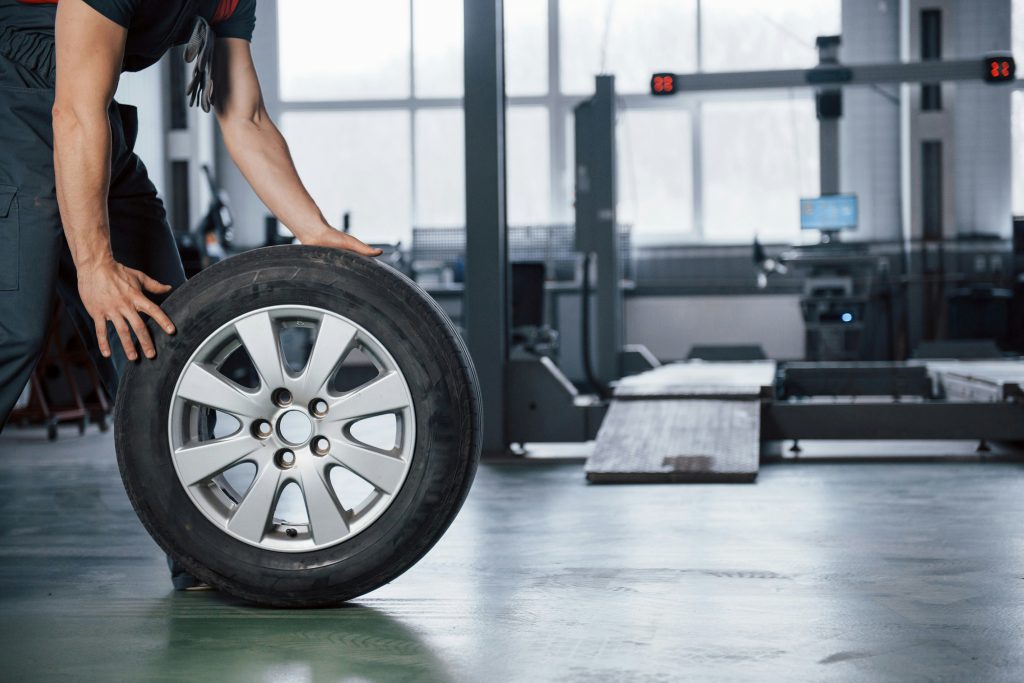
Proper tire care plays a crucial role in maintaining your vehicle’s safety, fuel efficiency, and overall performance. Drivers in Memphis, Lakeland, and Oakland understand that neglecting tire maintenance can lead to uneven wear, reduced traction, and potential safety hazards on the road. Regular upkeep of your tires ensures longer tread life, better handling, and a smoother driving experience, especially when navigating the diverse terrains and weather conditions common in these areas.
One of the foundational aspects of tire maintenance is consistent tire pressure monitoring. Tires that are underinflated or overinflated can wear unevenly and reduce fuel economy. For example, residents in Memphis, where summer temperatures can soar, should be particularly vigilant, as heat can cause air to expand and increase tire pressure beyond recommended levels. Using a reliable pressure gauge monthly and before long trips helps maintain the manufacturer’s recommended PSI, which is usually found in your vehicle’s owner manual or on a sticker inside the driver’s door jamb.
Tire alignment and balancing are equally important for optimal tire function. Misaligned wheels cause tires to drag rather than roll smoothly, accelerating tread wear and negatively impacting vehicle handling. In suburban areas like Lakeland and Oakland, where road conditions might vary from smooth pavement to rougher surfaces, maintaining correct alignment protects your tires and suspension system from unnecessary strain. Balancing tire weight distribution reduces vibrations, enhancing comfort and preventing premature wear on suspension components.
Regular tire cleaning and inspection also contribute to durability. Removing embedded debris such as small stones or glass shards prevents slow leaks and potential blowouts. Checking tires for visible signs of damage, including cracks, bulges, or uneven tread wear, is essential for early detection of issues. For drivers in Memphis and nearby cities, routine inspections before and after seasonal changes are advisable, since temperature fluctuations and road salt can impact tire integrity.
Maintaining proper tread depth is a critical safety factor. Tread not only provides traction but also channels water away from the tire’s contact patch to prevent hydroplaning. While the minimum legal tread depth in most U.S. states is 2/32 of an inch, experts recommend replacing tires when tread depth reaches 4/32 of an inch for enhanced safety, especially in wet or slippery conditions common in West Memphis and Bartlett. Using a tread depth gauge or the simple penny test can help you monitor tread wear effectively.
Lastly, consistent tire rotation according to your vehicle manufacturer’s schedule promotes even tread wear across all tires. This is particularly important for vehicles in Germantown and Collierville, where frequent city driving combined with occasional highway travel can cause uneven wear patterns. Rotating tires every 5,000 to 7,500 miles helps extend tire life and improves vehicle stability.
For residents in Memphis and surrounding areas seeking expert tire maintenance, Jim Keras Chevrolet offers certified technicians who specialize in OEM tire care and repairs. To keep your tires in peak condition, consider scheduling routine inspections and maintenance at our service center. You can schedule your service visit conveniently online or reach out by phone at (901) 589-1730. For directions, visit Get Directions to Jim Keras Chevrolet.
By following these comprehensive maintenance steps, drivers across Memphisand nearby communities can ensure their tires provide reliable performance and safety throughout their lifespan.
Table of Contents
- How to Determine When Your Tires Need Replacement Based on Tread Depth
- Best Practices for Rotating Directional Tires to Ensure Safety and Longevity
- The Importance of Certified Technicians and OEM Parts in Tire Service
- Scheduling Regular Tire Inspections and Maintenance at Jim Keras Chevrolet
How to Determine When Your Tires Need Replacement Based on Tread Depth
Properly assessing tire tread depth is crucial for vehicle safety and performance, especially for drivers in Memphis and nearby areas like Oakland and Lakeland where road conditions and weather can vary. Tread depth impacts traction, braking efficiency, and hydroplaning resistance, so knowing when to replace tires is essential for maintaining control and avoiding accidents.
The industry standard for minimum tread depth is 2/32 of an inch. Once tread wears down below this point, tires lose their ability to grip the road effectively, particularly in wet or slippery conditions. To measure tread depth accurately, a tread depth gauge is recommended, providing precise readings that surpass simple visual inspections. For those without a gauge, the penny test offers a quick estimate: insert a penny into the tire groove with Lincoln’s head upside down; if you can see the top of Lincoln’s head, tread depth is below the safe threshold and replacement is necessary.
It’s important to understand that uneven tread wear can occur due to misalignment, improper inflation, or suspension issues. Tires with uneven wear patterns might need earlier replacement than those with uniform wear, even if tread depth seems sufficient in some areas. Drivers in Lakeland and Oakland should routinely inspect all tires for signs of irregular wear, cuts, or embedded objects that might compromise safety.
When replacing tires, opting for genuine OEM parts ensures compatibility and preserves vehicle handling characteristics. For Chevrolet owners, using authentic components available through trusted sources like Jim Keras Chevrolet’s parts department helps maintain warranty coverage and performance standards. You can conveniently order Chevrolet parts online for replacements or repairs.
Regular tread depth checks combined with professional inspections at certified service centers can prevent unexpected tire failures and enhance overall driving safety in Memphis and neighboring cities. Proper maintenance here not only ensures compliance with safety standards but also contributes to longer tire life and a smoother driving experience.
Best Practices for Rotating Directional Tires to Ensure Safety and Longevity
Proper care of directional tires is essential to maintain vehicle stability, maximize tire life, and ensure safety on the road. Directional tires differ from standard tires primarily in their tread design, which is optimized to channel water away and provide superior traction. Because of their unique construction, routine tire rotation requires more attention and specific techniques to preserve their performance characteristics.
Unlike non-directional tires, directional tires are designed to rotate in a specific direction indicated by arrows on the sidewall. This directional tread pattern means that the tires cannot be swapped from one side of the vehicle to the other without remounting them, which involves taking the tires off the rims—a process that is both labor-intensive and costly. Therefore, the best practice for rotating directional tires is to perform front-to-back rotations on the same side of the vehicle. This method helps evenly distribute wear while maintaining the tread’s intended orientation.
For drivers in areas like Collierville and Germantown, where road conditions and weather can vary, maintaining proper tire rotation schedules is critical. Typically, rotating directional tires every 5,000 to 7,000 miles aligns with industry standards and helps prevent uneven wear patterns that could degrade handling and traction. Skipping this maintenance can lead to premature tire replacement and compromised vehicle control, especially in wet or slippery conditions.
During rotation, technicians should also inspect tires for irregular wear, sidewall damage, or embedded debris. Retaining the correct tire pressure and alignment checks complements rotation efforts, ensuring optimal contact with the road surface. Properly rotated directional tires enhance fuel efficiency as well, as uneven tread wear increases rolling resistance and energy consumption.
Adhering to these rotation practices safeguards drivers’ investments in high-performance tires, prolongs tire lifespan, and sustains safety on Memphis roadways and beyond. For expert maintenance and professional tire services, scheduling a visit with certified technicians ensures that directional tires receive the precise care they require without unnecessary costs or risks.
The Importance of Certified Technicians and OEM Parts in Tire Service
Maintaining your vehicle’s tires requires precision and expertise that only certified technicians can provide. These professionals undergo rigorous training to understand the nuances of tire care, including correct installation, balancing, and alignment. Their proficiency ensures that tire services are performed to exact standards, minimizing risks such as uneven wear, premature tire failure, or compromised vehicle handling. For drivers in Memphis, Oakland, and Lakeland, entrusting tire maintenance to certified experts guarantees that every procedure aligns with manufacturer specifications, preserving safety and performance.
Using Original Equipment Manufacturer (OEM) parts is equally critical in tire service. OEM components, including tire valves, lug nuts, and sensor replacements, are designed specifically for Chevrolet vehicles, ensuring compatibility and durability. Unlike aftermarket parts, OEM products maintain the integrity of your vehicle’s systems, such as the Tire Pressure Monitoring System (TPMS), which plays a vital role in monitoring tire health and alerting drivers to potential issues. Substituting OEM parts with generic alternatives can lead to inaccurate readings or system malfunctions, putting drivers at risk.
Certified technicians at service centers like Jim Keras Chevrolet also have access to specialized diagnostic tools and genuine Chevrolet parts, allowing them to perform effective tire repairs and maintenance. This combination of expertise and authentic parts supports optimal tire performance, extends tire lifespan, and upholds the vehicle’s warranty coverage. For owners in communities like Horn Lake and Collierville, relying on certified technicians and OEM parts is a proactive approach to maintaining tire safety and vehicle reliability.
Scheduling Regular Tire Inspections and Maintenance at Jim Keras Chevrolet
Routine tire inspections are crucial for vehicle safety and performance, especially for drivers in Memphis and nearby areas like Oakland. At Jim Keras Chevrolet, our certified technicians use advanced diagnostic tools to identify issues such as uneven wear, alignment problems, or tire pressure inconsistencies before they escalate. Regular maintenance visits help extend tire life and improve fuel efficiency, reducing overall ownership costs.
Scheduling service is straightforward—simply schedule your service visit online or call us at (901) 589-1730 to speak with our team. Conveniently located at 2000 Covington Pike, Memphis, TN, we serve drivers from surrounding communities including Lakeland and Germantown. For directions, use this link: <a href=”https://www.google.com
Connect with us


- 2026 Chevrolet Blazer
- 2026 Chevrolet Colorado
- 2026 Chevrolet Corvette
- 2026 Chevrolet Equinox EV
- 2026 Chevrolet Suburban
- 2026 Chevrolet Tahoe
- 2026 Chevy Trailblazer
- Car Financing
- Chevrolet Equinox
- Chevrolet Silverado 1500
- Jim Keras Chevrolet Service
- Memphis Chevrolet Dealer
- Memphis Chevrolet Service
- Memphis Used Cars
- New Chevrolet Models
- Tire Maintenance Tips
- Uncategorized